
Currency exchange
in central KharkivExchange
Kharkiv Exchange office near Gradusnik
in central KharkivExchange
Kharkiv Exchange office near Gradusnik
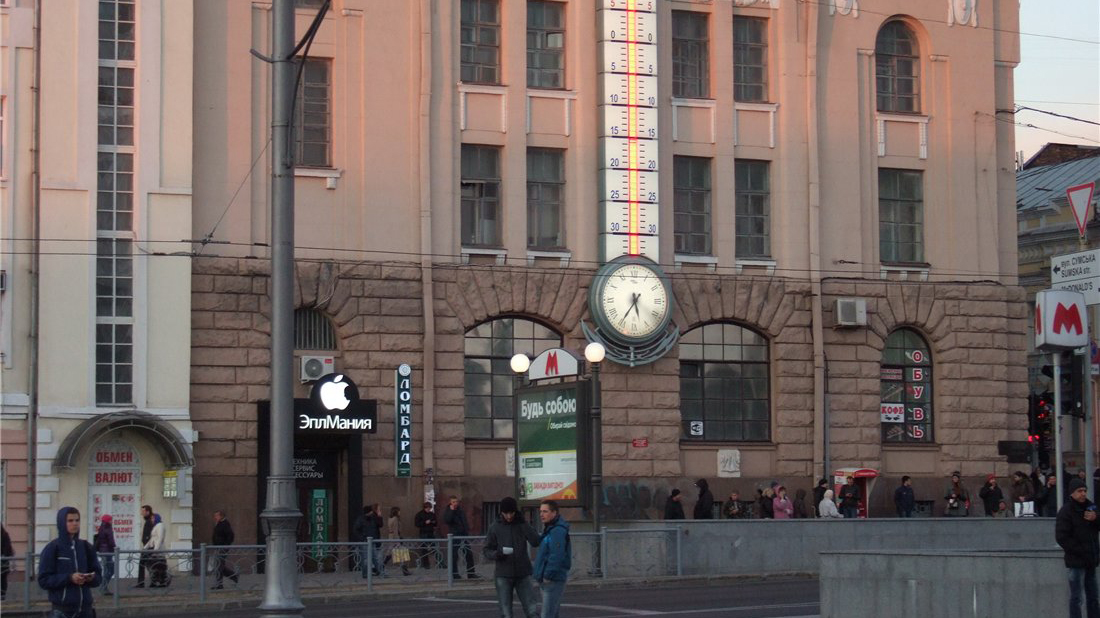
The current euro exchange rate at the Exchange Office under the Thermometer. No hidden fees or queues.
Fix the exchange rateAt our exchange, you can both buy and sell euros at the current exchange rate, which is updated throughout the day.
If you wish to exchange a large sum, we recommend that you ring us in advance so that we can prepare the required amount.
| Buy | Currency | Sell |
|---|---|---|
| — |  EUR | — |
This is an estimate. Our team will confirm the rate, fees and final amount.
Calculate the exchange amount at the current exchange rate.
This is an estimate. Our team will confirm the rate, fees and final amount.
Our address
Istorychnyi Muzei metro station
from Monday to Saturday
09:00 - 18:00
| Buy | Currency | Sell |
|---|---|---|
| — |  USDnew | — |
| — |  PLN | — |
| — |  GBP | — |
This is an estimate. Our team will confirm the rate, fees and final amount.
Unlike the dollar, there is one euro banknote that is worth setting aside straight away – the 500-euro note. The European Central Bank stopped printing it on 27 April 2019, and it was not included in the new ‘Europe’ series. Formally, it is still legal tender, but in practice, a customer has the right to lodge a complaint with the National Bank if they are refused an exchange of ‘old’ euros, and the regulator may fine the institution for an unjustified refusal.
The problem is not limited to the 500-euro note. Increasingly, difficulties are also arising with the 200-euro note, as well as with 100-euro notes from the old series issued before 2013 – exchange offices are scrutinising such banknotes more closely or charging an additional commission. The reason is the same as for the US dollar: the new ‘Europa’ series of banknotes (from 2013) feature enhanced security features and raise fewer questions at exchange points.
Our advice: if you have savings in older series of euro banknotes – don’t wait for them to ‘disappear from circulation’ on their own. At the “Pid Gradusnikom” exchange office, we accept euros of any series and denomination, including notes issued in 2002 – with the exception of banknotes that are seriously damaged or where there is reasonable suspicion of counterfeiting.
The front of all euro banknotes features windows and doorways as a symbol of openness, whilst the reverse side depicts bridges as a representation of the links between European countries; however, none of these structures actually exist. This was done deliberately to avoid disputes and favouritism over whose architecture should be featured on eurozone banknotes.
The 20–euro note is blue with Gothic windows, the 50–euro note is orange with Renaissance architecture, the 100–euro note is green with Baroque elements, and the 200–euro note is yellow-brown with Art Nouveau architecture. It’s a practical feature: even in poor lighting or when you’re in a hurry, the colour helps you – and the cashier – instantly distinguish the denomination.
The obverse of the coins is the same across the entire eurozone, whilst the reverse is national: each country mints its own design. So if you’ve been given coins with an unfamiliar design to exchange, this is no reason to doubt their authenticity; they are equally valid in any eurozone country.
It is also the official currency of non-EU countries, such as Montenegro and Kosovo. So if you’ve brought cash from there, these are standard euros that we accept under the usual terms.
We accept both series of euro notes. However, please bear in mind that if you have a 2002-series note with stains, tears longer than a few millimetres or signs of water damage, some establishments may refuse to accept it, so it is best to check the condition of the note beforehand.
The official exchange rate in Ukraine is pegged specifically to the US dollar, whilst the hryvnia’s exchange rate against the euro is determined via the cross-rate – that is, via the ratio of the dollar to the euro on the global market. Consequently, the euro’s exchange rate often fluctuates more significantly as a result of the global EUR/USD pair and ECB decisions, rather than solely due to the situation in Ukraine. To put it simply: when the Fed or the ECB changes interest rates, this can shift the euro exchange rate at the currency exchange bureaux even without any news regarding the hryvnia.
No, all euro banknotes are standardised across the entire eurozone, regardless of the country of issue – the exchange rate is the same; any difference can only be due to the condition of the banknote or the series (2002 or ‘Europa’).
Commemorative 2-euro coins (for example, those marking a particular event or anniversary) remain legal tender and are accepted at our exchange bureau at the standard rate. However, if you are interested in their collector’s value, that is a matter for numismatists, not the exchange bureau.